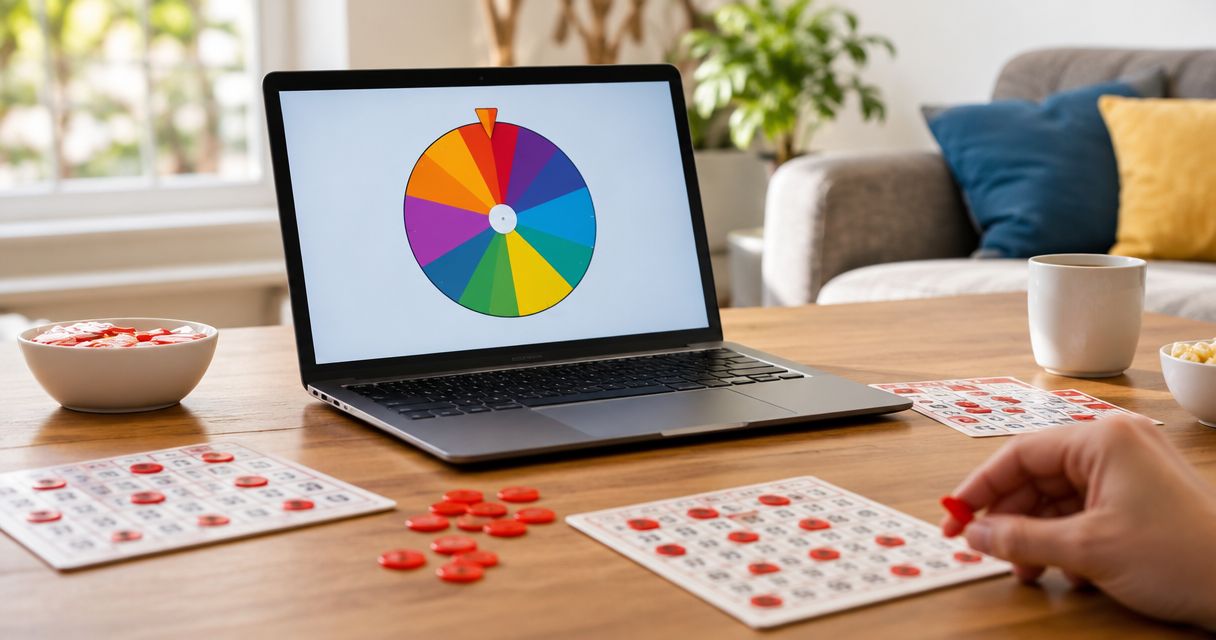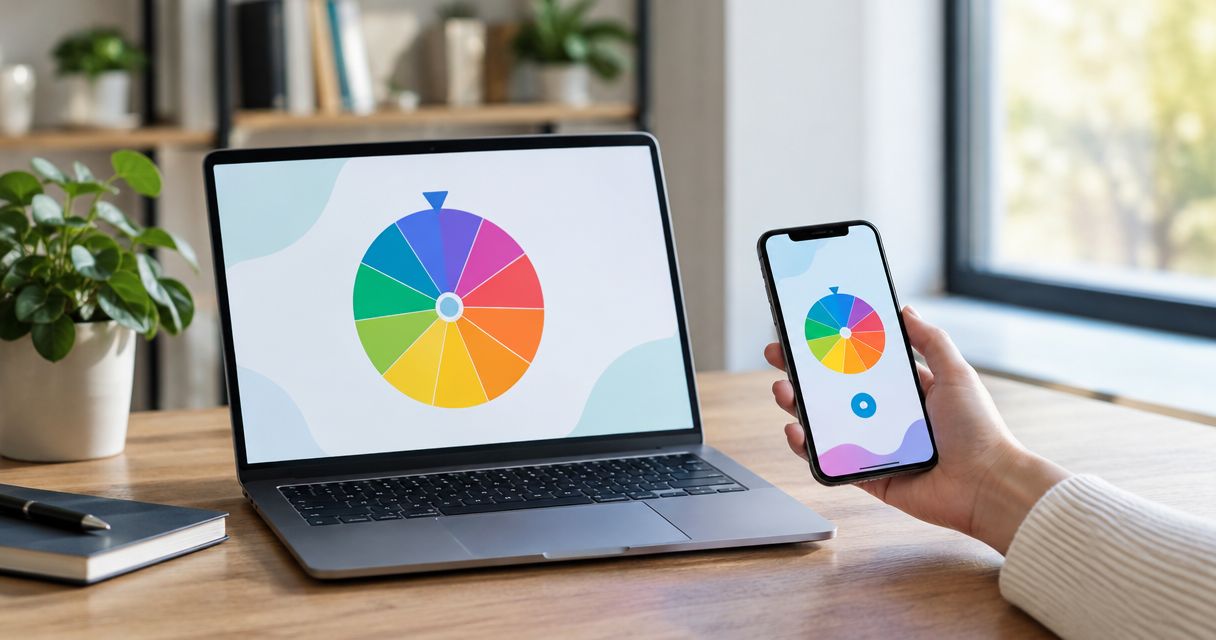

A random team generator gives you an editable list, a visible spin, and a result you can screenshot for the record — a hat gives you none of that once the slips get shuffled or someone peeks before their turn. For groups larger than about ten people, or anytime you need to prove the split was fair, a digital picker wins on speed and repeatability. For a small, in-person group with no screen in the room, a hat still does the job.
- A random team generator beats drawing names from a hat for groups over 10 people or when you need a repeatable, documented split in 2026.
- Spin the Wheel lets you edit entries, weight them, and re-spin instantly; a hat needs new slips every time the roster changes.
- Drawing from a hat still works for small, low-stakes groups with no screen available.
- Digital tools remove disputes over folded paper, hidden slips, or a name that falls out unseen.
Why this matters
Teachers splitting a class into project groups, coaches setting tournament brackets, and office managers assigning chore rotations all face the same problem: pick names without bias and without an argument afterward. A hat has worked for decades because it's cheap and physical, but it breaks down fast once a group grows past a classroom-sized roster or someone wants proof the draw was random.
Spin the Wheel is a free random picker wheel built for exactly this situation. Entries go in as text, the wheel spins on screen where everyone can watch, and the result stays visible after the spin stops — no crumpled paper to lose.
Is a random team generator better than drawing names from a hat?
Here's how the two methods compare on the things that actually matter during a real draw:
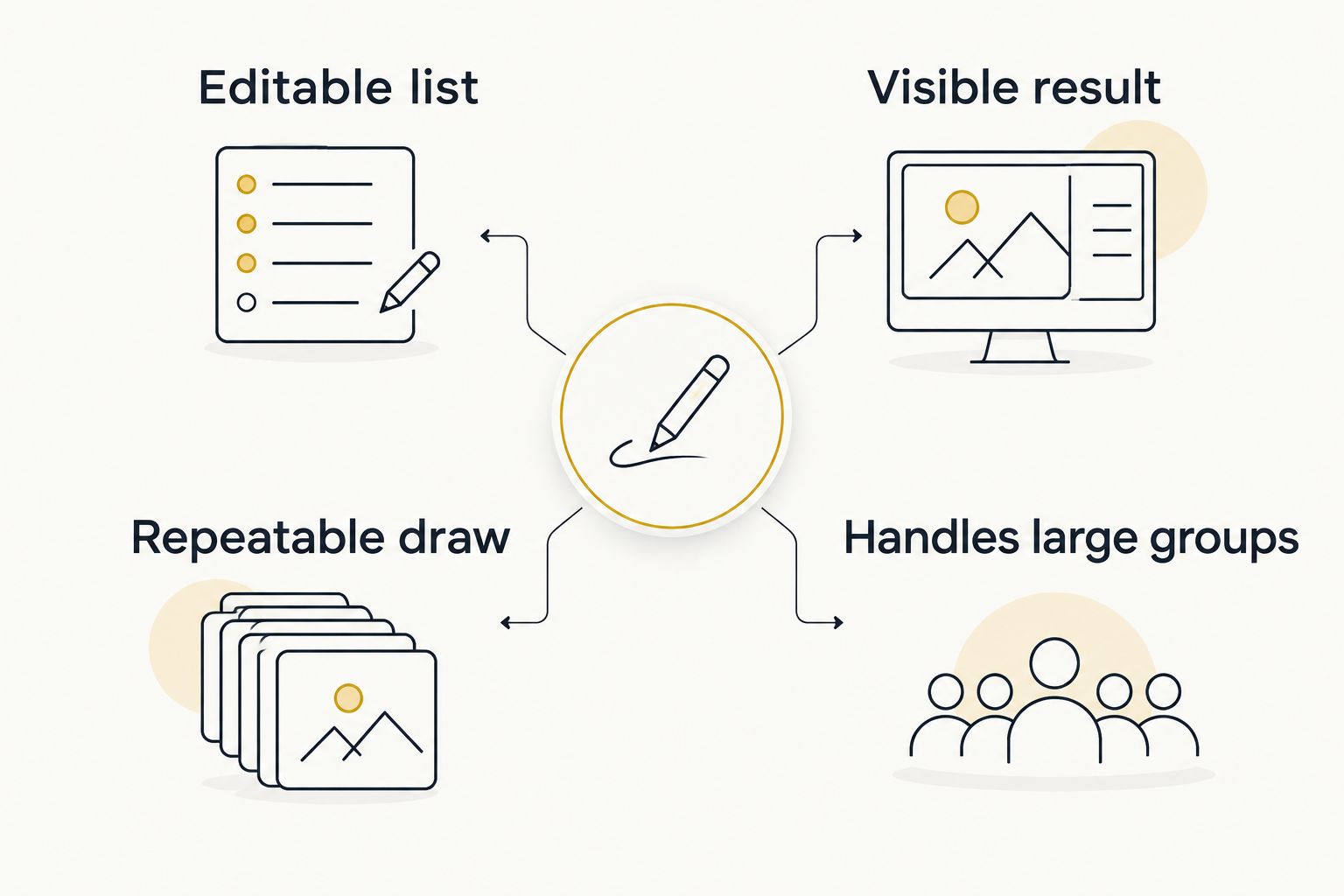
| Feature | Random team generator | Drawing names from a hat |
|---|---|---|
| Editable list | Yes, add or remove names in seconds | No, requires rewriting slips |
| Visible result | Yes, shown on screen to the whole room | Partial, depends who's watching |
| Repeatable draw | Yes, re-spin instantly if needed | No, slips are gone after one draw |
| Handles large groups | Yes, works past 50 entries | Gets slow and awkward past ~20 |
| Works with no screen | No, needs a device | Yes |
| Weighted odds | Possible on tools that support it | Not practical with paper |
A random team generator is the better choice once your group passes about 15-20 people or you need to re-run the draw for a fair reason — a name mistyped, a late addition, a tie that needs breaking. A hat is fine for a quick, small, in-person split where nobody's disputing the outcome.
When drawing from a hat still works fine
- Groups under 10-15 people. Slips are manageable and the whole room can watch the draw happen.
- No device in the room. A classroom without a projector or a picnic table with no wifi still needs a physical method.
- Low-stakes splits. Deciding who goes first in a board game doesn't need software.
- Tactile tradition matters. Some classroom activities use the physical draw as part of the exercise itself.
Why the two methods produce different results
- Group size. A hat gets unwieldy once you're past 20 names; folding, drawing, and re-checking slips takes real time.
- Need for a record. A digital random team generator leaves a result on screen you can screenshot; a hat leaves nothing once the slip is unfolded and discarded.
- Repeatability. If a name gets added late or a draw needs to be redone, a wheel resets in seconds. A hat needs new slips written by hand.
- Weighting. Some situations call for uneven odds — extra chances for a raffle prize, fewer for a repeat winner. Paper can't do this cleanly; a picker built for best random team generator tools in 2026 can, when the tool documents how weighting works.
- Disputes. A visible on-screen spin is harder to argue with than "I definitely put your name in the hat."
- Speed at scale. Splitting 40 students into 8 teams takes one spin sequence on a wheel and a long, error-prone slip-drawing session with paper.
Try the free team generator
Add your roster, spin, and split teams on screen in under a minute.
Is a random team generator actually fair?
A random team generator is as fair as its underlying selection method, and no picker — digital or physical — can guarantee perfect randomness. What a tool like Spin the Wheel offers is transparency: the list is editable before the spin, the spin itself is visible, and the result is shown clearly to everyone watching, which removes most disputes a hat draw can raise.
Can you weight a random team generator the way you can't weight a hat?
Yes, weighting is possible on pickers that document the feature, letting one name have a higher or lower chance of being picked than others. This matters for situations like giving a make-up team an extra shot or keeping a repeat winner from dominating every raffle draw — something a folded slip of paper simply can't replicate.
What's a good alternative if I've outgrown Wheel of Names for team splits?
Check a comparison of wheel of names alternatives in 2026 if you need features like larger entry lists, weighting, or a cleaner classroom-friendly display — the right pick depends on group size and whether you need the result documented.
FAQ
Is a random team generator better than drawing names from a hat?
A random team generator is better for groups over 10-15 people or when you need a repeatable, visible draw in 2026. A hat still works for small, in-person, low-stakes splits.
Does a random team generator guarantee perfectly fair results?
No tool, digital or physical, guarantees perfect randomness. What a random team generator offers is a visible, editable, repeatable process that's easier to trust than an unseen paper draw.
Can you re-run a draw with a random team generator?
Yes, re-spinning takes seconds on a digital picker. A hat requires rewriting slips from scratch, which most people skip once the paper is gone.
How many people can a random team generator handle?
A random team generator handles large rosters, often 50 or more entries, without extra prep. A hat gets slow and error-prone past about 20 names.
Is drawing names from a hat ever better than a digital picker?
Yes, when there's no screen available or the group is small and low-stakes, a hat is faster to set up than opening an app.
Can a random team generator weight the odds for some names?
Some pickers support weighting, giving certain entries a higher or lower chance of selection. This isn't practical with a physical hat draw.
Does a random team generator work for classroom group assignments?
Yes, teachers use random team generators to split classes into project groups quickly, with the result visible on a shared screen for the whole class.
What should I look for in a random team generator?
Look for an editable entry list, a visible result, repeatable spins, and documented behavior around ties or weighting before picking a tool.
One last thing
The biggest practical difference isn't fairness, it's what happens after the draw. A hat destroys its own evidence the moment the slip is unfolded and read aloud; a random team generator leaves the list and result on screen, which matters the moment someone asks "wait, how were teams actually picked?" If your group is under 15 people and everyone's in the room, keep using the hat. Past that, switch to a digital picker before the next round of disputes starts.