
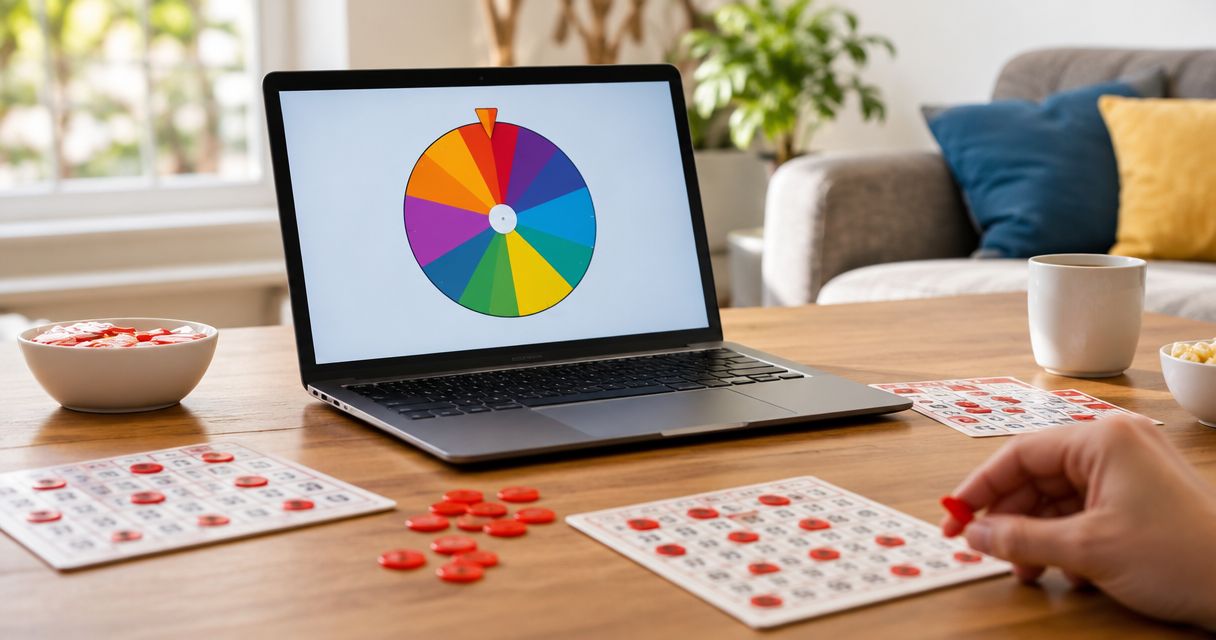
Yes, a random number picker wheel is useful for bingo when you load the correct number set, prevent repeat calls, and keep a visible record of results. It works as a number selector, not automatically as a complete bingo caller or winner checker. For classroom bingo in 2026, use the wheel alongside matching cards and a separate call sheet.
- Is a random number picker wheel useful for bingo? Yes, provided called numbers cannot return during the round.
- Spinthewheelapp offers an editable random picker wheel; check the removal workflow before using it for bingo.
- Match the wheel to your cards: standard American bingo uses 75 numbers, while British bingo uses 90.
- Keep a visible call sheet and verify every claimed win against it.
Is a random number picker wheel useful for bingo games?
A number wheel is useful for informal bingo, but the draw procedure matters more than the spinning animation. Each eligible number must appear once in the starting list. After a call, that number must leave the pool until the next game.
Spinthewheelapp is best for teachers who want an editable random picker wheel for informal classroom bingo. Its customizable number entries fit that task. Keep a separate call record unless you have verified that your chosen setup already provides one.
Use this comparison to match the number pool to the cards you have. Do not choose the range from memory after play starts.
| Bingo format | Starting number pool | Best for | Main advantage | Main limitation |
|---|---|---|---|---|
| American bingo | 1–75 | Standard American bingo cards | Familiar letter-and-number calls | You must associate each number with its letter |
| British bingo | 1–90 | Standard British bingo tickets | Matches the traditional ticket number range | The winning pattern differs from American bingo |
| Custom classroom bingo | Exactly the values used on your cards | Vocabulary, arithmetic, or review activities | You control the content | You must check that every card matches the draw pool |
The wheel only selects an entry. You still control the rules, announcements, pauses, and winner checks. That distinction makes it easier to choose a practical setup without expecting unverified features.
Why this matters
A repeated call wastes a turn in ordinary bingo because players have already marked that number. A missing number creates a different problem: a player cannot complete a pattern that depends on a value absent from the draw pool.
For your 2026 classroom activities, prepare the number list and call sheet together. Keep the original list separate from the changing list of uncalled numbers. That gives you a reference if someone questions a result or a substitute teacher takes over.
A fair bingo procedure requires an accurate pool, equal treatment of eligible entries, and a documented call record. A wheel animation alone does not establish any of those conditions.
American bingo: 75 numbers
Standard American bingo uses numbers 1–75. Its letter groups are B for 1–15, I for 16–30, N for 31–45, G for 46–60, and O for 61–75. Calling the letter with the number helps players find the correct column.
For example, announce B-12 rather than only 12. If you enter complete labels such as B-12 in a wheel, check every label against its number group before the game. If you enter plain numbers instead, keep a letter reference beside the caller.
The advantage is a direct match between the draw and familiar American cards. The limitation is extra caller work when the wheel displays numbers without letters. Do not assume that a general number picker supplies bingo-specific labels.
Confirm the winning pattern before the opening draw. A line, a specified shape, and a full card are different objectives. Show the pattern rather than asking players to infer it from earlier games.
British bingo: 90 numbers
Standard British bingo uses numbers 1–90. Load that complete range when your tickets follow the 90-number format. Do not use a 75-number wheel with those tickets.
The advantage is straightforward number calling without American letter groups. The limitation is that a general picker does not explain ticket layouts or track winning stages for you. Announce which pattern counts before you start and whenever the objective changes.
Keep the same no-repeat rule throughout the round. If you award an intermediate pattern and then continue playing, retain the existing call record and remaining pool. Reset only when a genuinely new game begins.
Custom classroom bingo: match the card values
Custom classroom bingo works when the draw pool matches the learning activity. For a simple number-recognition game, put the card numbers into the wheel. For arithmetic bingo, decide whether the wheel displays an answer, a calculation, or a prompt that you read aloud.
The benefit is editable content. The trade-off is preparation: you must check the relationship between prompts and card answers yourself. Several calculations with the same answer create repeated answer opportunities, even when every calculation is a different entry.
For your 2026 lesson plan, write the marking rule next to the activity instructions. State whether a student marks a printed number, solves a problem, or identifies a matching term. Keep that rule unchanged during the game.
Best for: teacher-led practice with rules you can explain before the first draw. Use another activity format when students need different interpretations of the same result.
How do you set up a wheel for bingo?
Prepare the game before students begin marking cards. The following workflow applies whether you enter numbers into a general picker or use a dedicated bingo caller.
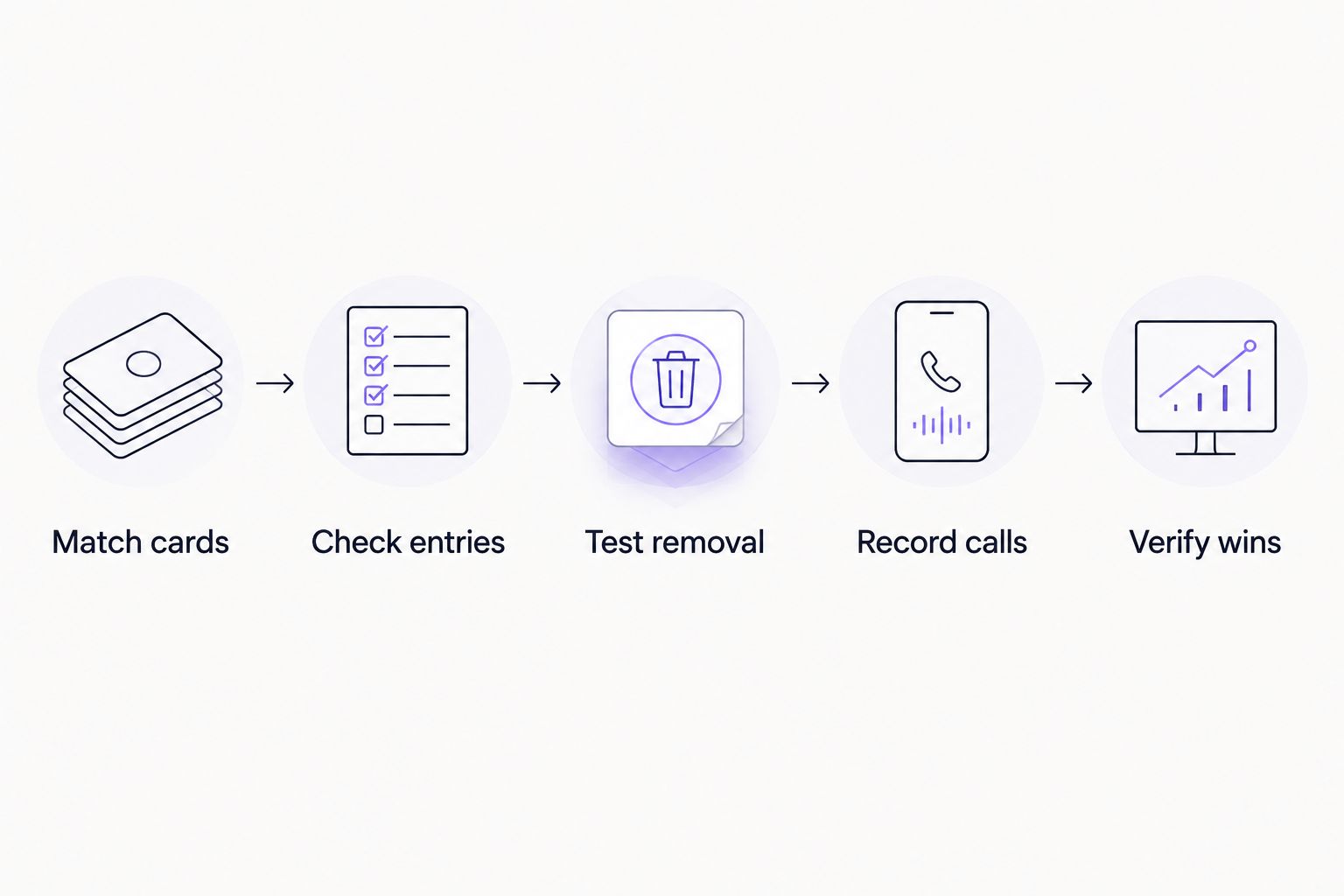
- Match cards. Identify the format and collect the exact values printed on the cards. Confirm the winning pattern and explain how players should claim it.
- Check entries. Create one entry for each eligible number. Remove accidental duplicates and check both ends of the range. Keep a clean starting copy outside the active wheel.
- Test removal. Run a practice draw and confirm how the selected entry leaves the pool. If removal is manual, make it part of the caller's routine. Restore the complete list after testing.
- Record calls. Prepare a board or sheet that shows every called number. During play, announce the result, record it, and remove it before the next draw.
- Verify wins. Pause on a bingo claim. Compare the marked pattern with the announced objective and compare its numbers with the call record.
Read the guide to making a spin-the-wheel draw avoid repeat winners before relying on an unfamiliar removal process. Removing a selected entry and merely remembering that it appeared are different procedures.
Why a number wheel's usefulness varies
A wheel fits some bingo sessions better than others. Judge the complete calling workflow, not just whether the tool can display a number.
- Number coverage: An editable pool helps you match standard cards or a custom classroom activity. Missing entries make some card values impossible to call.
- Repeat handling: A removal step keeps called numbers out of the remaining pool. A picker that leaves every number eligible needs additional caller attention.
- Result visibility: Players need to hear or see the current call. A small result display needs a separate announcement or board.
- Record keeping: A call sheet supports winner checks and lets players confirm earlier calls. An isolated result is not a game history.
- Caller workload: Manual removal, letter lookup, and record keeping all require attention. Assign those tasks clearly before running the activity.
Spinthewheelapp provides the editable random picker wheel portion of this workflow. The limitation is scope: do not treat general wheel functionality as proof of automatic bingo history, card checking, or no-repeat calling. Verify each requirement directly before using it with a group.
Can you use a wheel without removing called numbers?
Yes, but ordinary bingo still needs a way to reject repeats. If a called number remains eligible, another spin can select it again. Announce in advance that a repeated result does not count and requires another draw.
Removing called numbers is the clearer procedure. It keeps the eligible pool aligned with the numbers that have not appeared. Rejecting repeats adds work and makes it more important to maintain an accurate record.
Avoid changing methods halfway through a round. If you discover that the removal process is not working, pause, reconstruct the uncalled pool from the record, and explain the correction before continuing.
Can you use weighted entries for bingo?
Use equal eligibility for ordinary bingo, not deliberate weighting. Repeating a number in the entry list gives that value additional representation in a picker that selects entries equally. That is different from a list containing each eligible number once.
A weighted classroom exercise can demonstrate probability, but label it as a separate activity. Explain the changed rule before play. Do not introduce weights into a game that students understand to use equally eligible numbers.
No spinning display proves perfect randomness. Check the tool's documented selection behavior where available, and describe your procedure accurately rather than making an unsupported guarantee.
What should you check before a classroom bingo session?
Use a short preflight check for your 2026 classroom bingo session. Open the actual setup on the device you will use, not just the preparation device.
- Compare the starting list with the cards and check for duplicate entries.
- Confirm that the caller can read the result and players can hear the announcement.
- Complete a practice draw, record it, and remove the selected entry.
- Check a sample winning pattern against a practice call sheet.
- Restore the starting pool and clear all practice results before admitting live calls.
If a substitute teacher will lead the game, leave the card format, winning pattern, removal instructions, and reset procedure together. Use plain directions such as “record the result before the next draw.” Do not rely on someone remembering an earlier demonstration.
FAQ
Is a random number picker wheel useful for bingo in a classroom?
Yes, a random number picker wheel is useful for classroom bingo when its entries match the cards and called numbers cannot count again. Keep a visible call record and verify each claimed win.
How many numbers do I put on a wheel for American bingo?
American bingo uses 75 numbers, from 1 through 75. Enter every number once and use the correct B, I, N, G, or O letter when announcing calls.
How many numbers do I need for British bingo?
British bingo uses 90 numbers, from 1 through 90. Match the wheel to those tickets and keep called numbers out of the remaining draw pool.
Can I use Spinthewheelapp as a bingo number wheel?
Spinthewheelapp offers a customizable random picker wheel with number entries, so it can provide the selection step for informal bingo. Verify the removal workflow and maintain a call sheet rather than assuming dedicated bingo-caller functions.
Should I remove each number after calling it?
Yes, remove each called number from the eligible pool for ordinary bingo. If your setup cannot remove entries, document a repeat-rejection rule and keep an accurate record of previous calls.
Can a spinning wheel check who won bingo?
Selecting a number does not establish that a wheel can check bingo winners. Compare the claimed pattern with the game rules and verify its numbers against the call record.
What should I do if the wheel resets during bingo?
Pause the game and rebuild the remaining pool from your call record. Resume only after confirming that previously called numbers are excluded and that the recorded game state is accurate.
One last thing
The end of a game is the start of your next setup check. Removing results is helpful during a round, but those same removals leave an incomplete pool for the next one. Restore the clean starting list and clear the call sheet together.
For repeat classroom sessions in 2026, keep separate “starting pool” and “current round” records. That simple separation prevents you from confusing a partly played game with a ready-to-run activity.