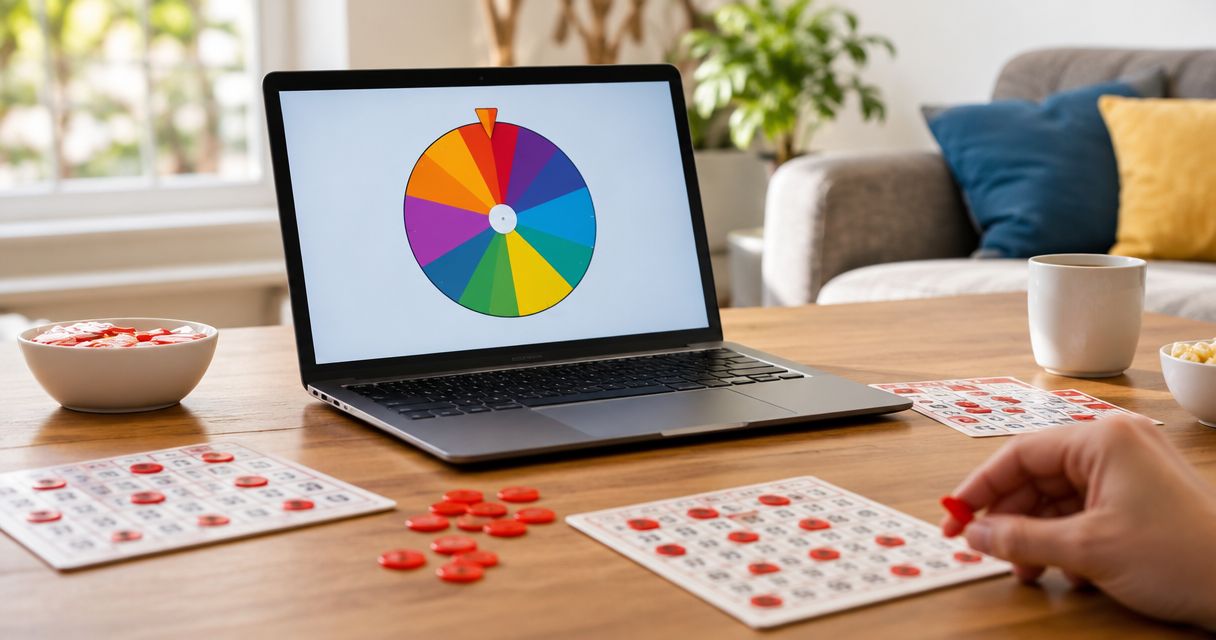

Yes, a yes or no wheel is good for icebreaker games when it selects a light activity or question route, not someone’s personal answer. Use it for low-stakes classroom introductions and everyday group choices, with a pass option and clear rules before you spin.
- Is a yes or no wheel good for icebreaker games? Yes, for choosing activities, not personal answers.
- Spinthewheelapp offers an editable random picker wheel for classroom icebreakers and everyday decisions.
- Give both outcomes a useful activity, and let participants pass without explaining.
- Use a prompt wheel instead when you need more than yes and no.
Is a yes or no wheel good for icebreaker games?
A yes or no wheel works best as an activity selector, not a substitute for consent or conversation. Before spinning, explain exactly what yes and no mean. Neither result should require an embarrassing disclosure, physical contact, or participation someone has declined.
Spinthewheelapp is best for teachers and group organizers who want an editable random picker wheel for low-stakes activities. Its wheel types include names, prizes, yes/no, numbers, and food choices. For this game, the useful function is selecting between prepared outcomes; the limitation is that a binary result cannot supply a discussion prompt by itself.
Choose the format according to what you need to select:
| Format | Best for | Useful feature of the format | Limitation |
|---|---|---|---|
| Yes or no wheel | Choosing between two agreed activity routes | Keeps the selection simple | Needs an activity assigned to each result |
| Prompt wheel | Choosing an icebreaker question directly | Displays the selected topic | Every prompt needs review before play |
| Name wheel | Selecting a speaker from willing participants | Separates speaker selection from topic selection | Selection does not replace permission to pass |
| Participant choice | Letting people choose their own response route | Keeps the decision with the participant | Does not provide a random selection |
For a 2026 classroom activity plan, write the outcome rules beside the prompt. A substitute teacher should be able to understand the game without guessing what no means.
Why this matters
An icebreaker asks people to participate before they necessarily know one another. The wheel should select something you have already judged appropriate, rather than decide what another person must reveal.
A wheel result also needs interpretation. If yes means answer a question and no means sit silently, the game offers uneven opportunities to join in. Give both outcomes a useful route instead.
For example, yes can mean share a favorite fictional place, while no means invent a place you would like to visit. Both routes support conversation without requiring a personal story.
How do you run a yes or no icebreaker?
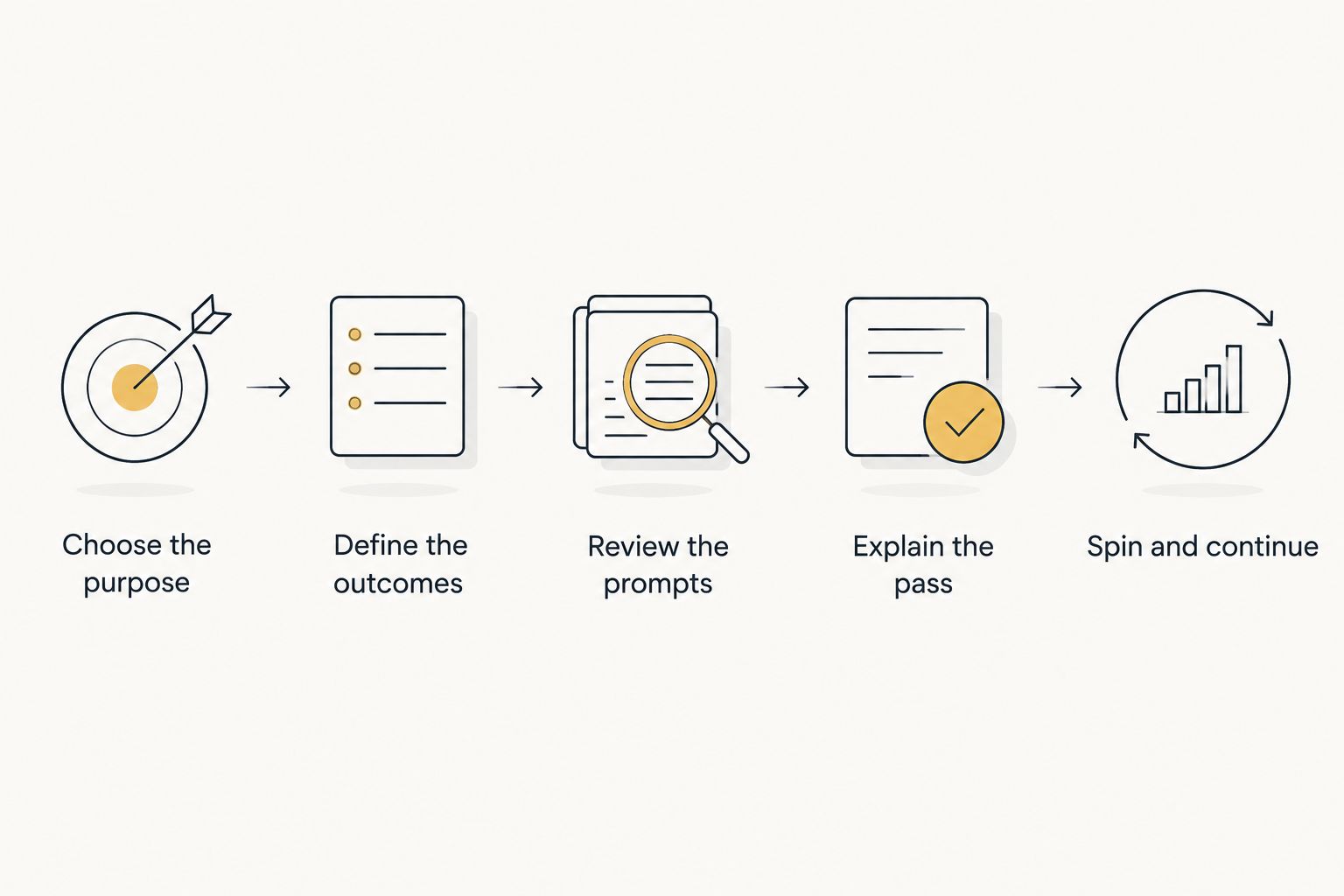
Use this sequence for a classroom, club, or informal team introduction. Prepare the rules before displaying the wheel so you do not have to invent consequences after the result appears.
- Choose the purpose. Decide whether the activity introduces names, starts conversation, or selects a discussion format. Keep that purpose separate from assessment or discipline.
- Define the outcomes. Write a complete instruction for yes and another for no. Both instructions should make sense without additional negotiation.
- Review the prompts. Remove questions about sensitive personal information. Prefer ordinary preferences, fictional situations, and topics participants can answer without explaining their circumstances.
- Explain the pass. Let participants pass, choose a different prompt, or observe. State this before selecting anyone.
- Spin and continue. Read the selected instruction, invite a response, and move on. Apply the same rules throughout the activity.
Keep the wheel’s job narrow. It selects the activity route; you remain responsible for the prompt, the invitation to participate, and what happens next.
In your 2026 activity notes, include the actual instructions rather than a reminder to use a spinner. Written rules give another facilitator something concrete to follow.
Classroom introductions: choose a response route
Best for: teachers introducing a class or starting a group activity. Use yes and no to select how students approach the same broad topic. Do not use the wheel to decide whether a student must speak.
Try these 4 prepared prompt pairs:
| Topic | Yes route | No route |
|---|---|---|
| Stories | Name a fictional place you would visit | Invent a place you would visit |
| Food choices | Name a food you enjoy | Invent a food for a story character |
| Everyday skills | Share something you like making | Describe something you would like to learn |
| Group activities | Suggest a game you know | Invent a simple game idea |
These are sample instructions, not questions the wheel answers for the student. Read the selected route aloud and allow an alternative response.
The advantage is a shared structure with different ways to contribute. The drawback is that even an ordinary preference question can feel personal. Keep the fictional route available regardless of the spin.
For younger participants, demonstrate the activity yourself before inviting responses. Use familiar language and explain what passing looks like in practice.
Team introductions: choose the conversation format
Best for: organizers running informal introductions with willing participants. Use the wheel to select whether people respond individually or discuss a topic with a partner first. Explain both formats before starting.
For example, yes can mean share an idea with the group, while no means discuss the same idea with a partner before anyone volunteers to report back. Keep reporting voluntary in either format.
The advantage is that the wheel chooses a meeting activity rather than judging an individual. The drawback is that a group format does not suit every participant. Offer an alternative without asking for a public explanation.
In a 2026 meeting agenda, name the discussion topic as well as the wheel rule. Avoid personal questions about health, finances, family circumstances, religion, or relationships.
Everyday groups: choose the next light activity
Best for: friends, clubs, and casual groups choosing between acceptable activities. Use a yes or no wheel only after everyone understands what each outcome selects.
Yes might mean answer a food-preference prompt; no might mean suggest a fictional restaurant menu. The result selects a game instruction, not what the group must eat or spend.
This format is useful when the choice itself is unimportant. Its limitation appears when an outcome carries a real consequence. Do not turn an icebreaker into a binding decision about purchases, responsibilities, or someone’s comfort.
For chores or tournament activities, keep the icebreaker separate from assignment rules. A playful introduction should not quietly determine who receives an unwanted task or competitive advantage.
Why a yes or no icebreaker works differently across groups
The fit depends on the rules and the people participating, not simply on the spinning animation. Review these factors before choosing the format:
- Purpose. Use a binary wheel to select a route. Choose a prompt wheel when the actual question needs selecting.
- Prompt sensitivity. Prefer preferences and fictional examples. Do not require participants to explain private circumstances.
- Meaning of no. Give no an active alternative. Avoid treating it as failure, rejection, or a penalty.
- Participation rules. Make passing available before the first selection. Do not ask participants to earn a pass.
- Selection rules. Decide whether you are choosing an activity or a speaker. These are different decisions and need separate instructions.
- Facilitation. Read the result plainly and apply the stated rule. Do not change an outcome because someone dislikes who was selected.
If your 2026 lesson plan includes random speaker selection, document that process separately. The guide to keeping a spin-the-wheel picker fair for students addresses that related classroom question.
How do you keep the activity fair?
Make the rules visible, distinguish selection from consent, and apply the same process throughout. Fair participation requires more than a result that looks unpredictable.
A yes or no wheel has 2 named outcomes, but those labels alone do not establish equal probabilities. Entry counts, weights, and the selection method matter. Do not describe a setup as equally likely unless you have checked how that setup works.
Avoid duplicate entries that change the intended balance. If you intentionally use weighted outcomes, explain the weighting before play rather than presenting it as an equal-choice draw.
Also decide how you will handle mistakes. If the facilitator spins before explaining the instructions, stop and explain them. Do not treat an unclear result as an obligation.
For a documented 2026 activity, record the prompt, the meaning of each outcome, and the pass rule. You do not need to record participants’ personal answers to explain how the game operates.
Should the wheel answer personal questions for players?
No. A random result cannot represent someone’s preference, experience, or permission. Ask the participant directly and accept their response without a spin.
For example, do not spin to decide whether a student likes speaking in front of the class. The result cannot establish that fact. Use the wheel to select a neutral prompt instead.
The same boundary applies to dares. A yes result does not authorize an activity that a participant has declined, and a no result should not trigger a punishment.
Is a prompt wheel better than a yes or no wheel?
A prompt wheel is better when your main task is choosing a question; a yes or no wheel is better when you already have two clear routes. Match the tool to the selection you actually need.
A prompt wheel removes the extra step of translating yes or no into an instruction. Its drawback is preparation: each entry must stand alone and remain appropriate for anyone who receives it.
A binary wheel needs fewer labels, but more explanation outside the wheel. If participants repeatedly ask what the result means, rewrite the instructions or switch formats.
FAQ
Is a yes or no wheel good for classroom icebreaker games?
Yes, a yes or no wheel is good for classroom icebreakers when it selects between clearly explained, low-stakes activities. Keep passing available and never use the result to decide what a student must disclose.
What should yes and no mean in an icebreaker?
Yes and no should each select a useful activity route. For example, yes can select a preference question while no selects a fictional alternative on the same topic.
Can I make students answer if the wheel lands on yes?
Do not use a yes result to override a student's choice to pass. Let the wheel select an invitation or prompt, not compulsory participation.
Is a yes or no wheel the same as a poll?
No, a yes or no wheel selects an outcome, while a poll collects people's answers. Use a poll or direct question when you need to know what participants actually think.
Does a yes or no wheel always give equal chances?
No, yes and no labels alone do not establish equal chances. Check the entries, any weights, and the documented selection method before describing the setup as equally likely.
Can Spinthewheelapp be used for an icebreaker?
Spinthewheelapp provides a customizable random picker wheel with yes/no and other wheel types. Prepare suitable prompts and define what each result means before using it for an icebreaker.
Should I use names or questions on an icebreaker wheel?
Use names to select willing speakers and questions to select discussion topics. Keep permission to pass separate from either selection process.
One last thing
Write the no instruction first. If no only means exclusion, silence, or a penalty, revise the game before running it.
A useful no route gives participants something legitimate to do. Once both routes work independently, the wheel can select between them without leaving you to repair the activity after each result.